
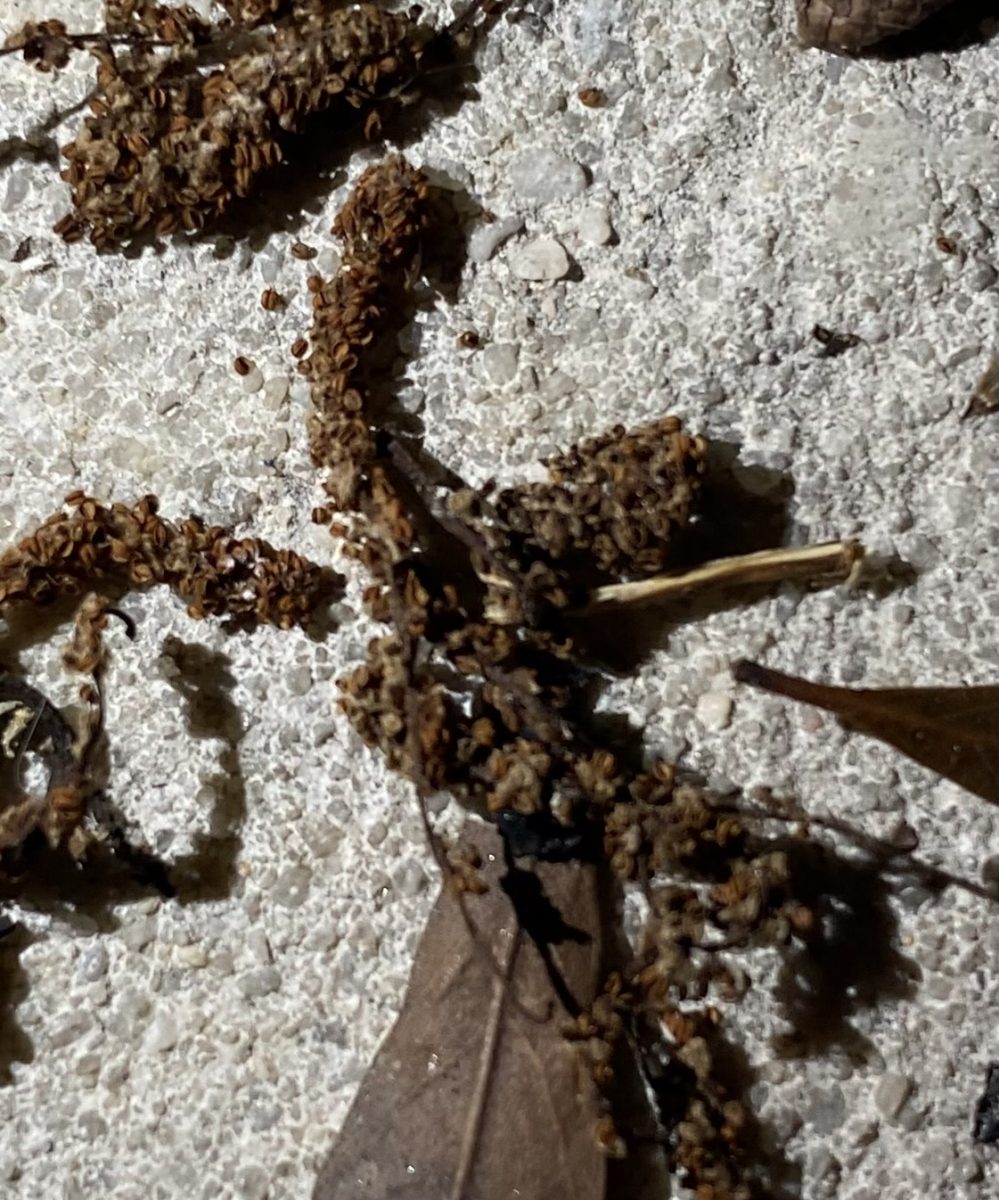
For many this pollen season was nothing short of a sniffly and stuffy nightmare, with this season being one of the most intense in recent memory, with levels being recorded extremes for the majority of February, March and April. March and April, already being notorious for miserably high pollen levels, were supercharged in severity this year, and strangely the pollen season was extended even into the late parts of winter with February seeing unprecedented levels for that time of year. This led to many St. Pete asking, how did it get this bad?
The answer lies within the strange winter weather pattern that St. Pete has been seeing this year. This winter has had temperature swings that liken to a child attempting to do a full 360 on a swing set, with temperatures ranging cold enough for snow flurries, to summer-like conditions, all of which would occur within the span of a week in some cases. Temperature swings are not unheard of, especially in the winter, but this year has been extreme. February this hot and cold pattern continued for the first portion of the month with temperatures bouncing between the 30s and 80s.
When temperatures eventually warm back up during this widely ranged cycle, pollen levels climb as trees, grasses, and weeds release pollen due to the warm weather encouraging blooms. Due to this cycle, especially this time of year and to this magnitude, higher pollen levels were observed much earlier than usual, thus prolonging the season as well and allowing for more extreme pollen levels. A huge contributing factor to how pollen levels became so extreme was from the large temperature swings, especially earlier in the month, and when these swings are larger, pollen bursts become way larger and more intense.
However, what led to the worst of the pollen came from the historic drought that Florida has been facing throughout this winter and spring. These dry conditions have inevitably led to dry air, and dry air is what pollen thrives in. Pollen counts tend to be higher in drier air because pollen particles can stay airborne easier with less water vapor particles attached to them, which causes pollen to sink towards the ground. These drought conditions and the long periods of dry air present have allowed pollen counts to go towards extreme levels since the particles are able to stay in the air longer and more easily.
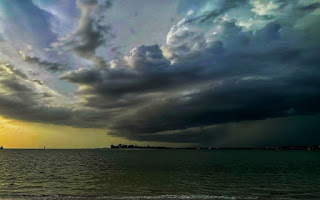
A supercharging factor that was coupled with this dry air however was the wet period and unusual summer-like pattern that was observed in February and March. This period saw hot daily highs approaching the upper 80s, and a daily pop thunderstorm pattern that was similar to what is usually seen in June through September, which for that time of year it was extremely strange. There were also periods of widespread rain through multiple cold fronts during early March. This period of wetter weather proved to be a huge factor in worsening pollen counts, as it allowed for a rebound in pollen after this period. This rebound was due to the dry weather previously and in these drought level conditions, many plants and especially the grass had a saving grace from that wet weather pattern and pollen counts started to explode as soon as the wetter pattern as the plants had a new lease on life and released very intense blooms. With the dry pattern afterwards, the pollen count was only worsened as plants continued to bloom with a warmer and drier weather pattern allowing for even more extreme pollen counts.
This combination of wintertime temperature swings towards unusually warm weather, and the dry and less humid pattern with the intermittent early season rain, has allowed for pollen levels to go up to the extremes for St. Pete, and made the season a lot longer and for victims of allergies, a lot stuffier and more miserable.