

In recent years, seasons have become more than just weather patterns, they’ve turned into romanticized aesthetics. From “fall-aesthetic” to “brr-season”, romanticizing seasons has become a cultural sensation online, especially among the younger generation. What used to be simple shifts in temperature are now seen as invitations to reinvent and change ourselves, switch up our routines, and shape up our lives into a whole new style, quarterly.
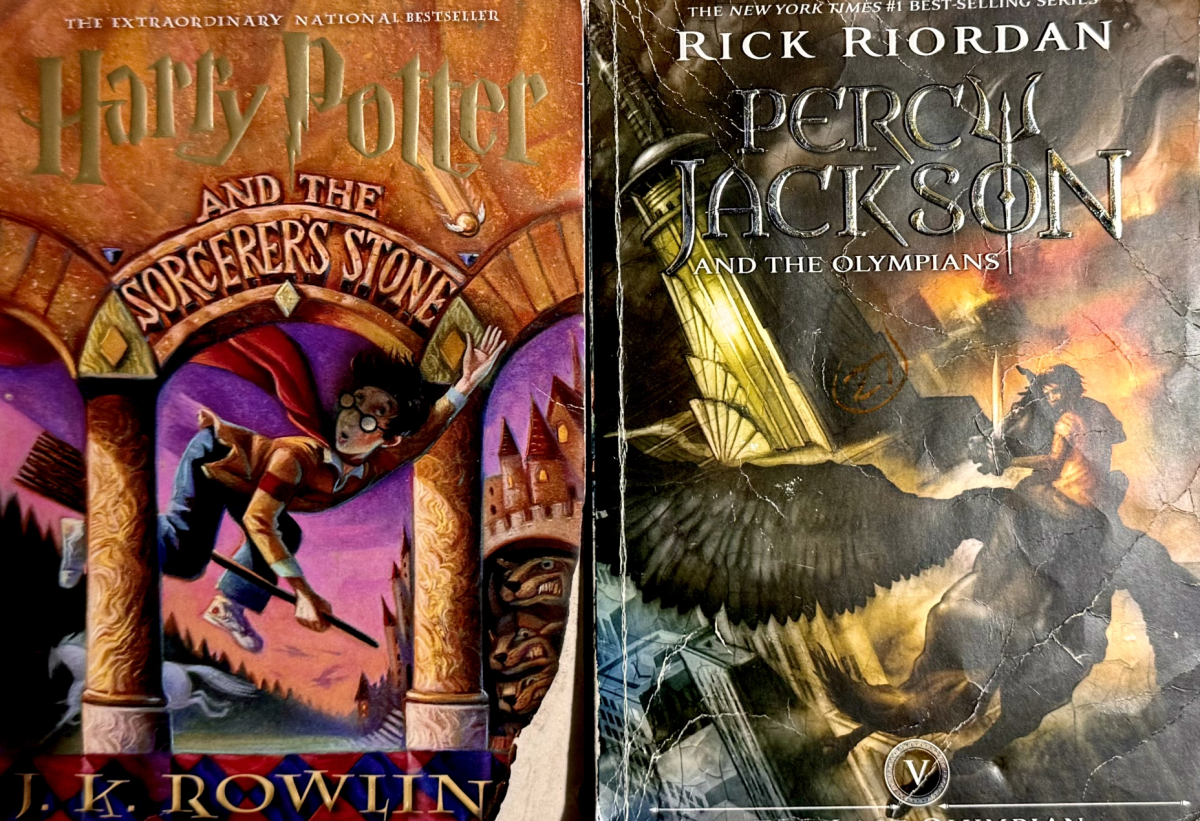
No season has been rebranded more suddenly than autumn. The romanticization of the slightly cold and home-y season blends a comfortable nostalgia, like baked goods, apple picking, and oversized sweaters, with modern internet culture and trends. TikTok trends like “clean girl fall” and “pumpkin spice season” invites people to enter into a cozier version of autumn that feels romantic and comfortable.
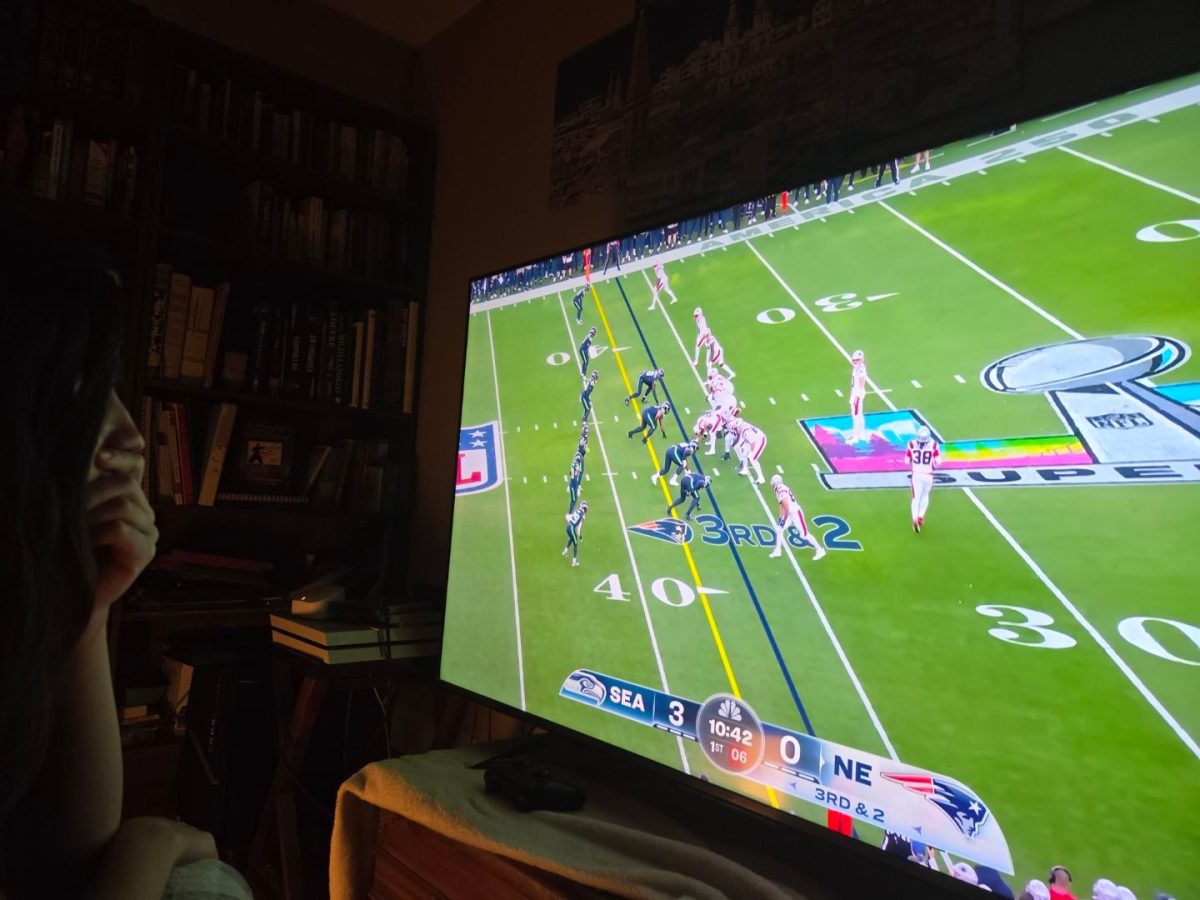
Winter has shifted from a once cold and gloomy stretch of a season, into something far more charming. Online, it’s framed as a season for rest, or a time to grab some elegant cozy wear and enjoy the snow. Romanticized winter imagery, such as frosted windows, hot steaming mugs of cocoa, and candlelit nights, gives the season a unique intimate charm. Even the harsh cold weather becomes a part of the aesthetic appeal, and only adds to the cold month’s glamour.
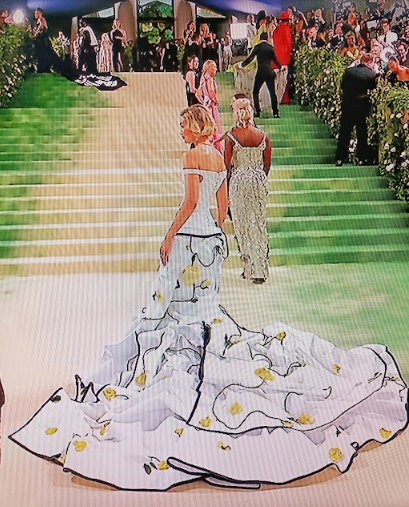
Spring has long symbolized an era of renewal, but social media only intensifies this idea. Spring is marketed to be a “glow-up season”, a period to clear out closets and refresh your routines, while stepping back into pastels and light colors. Florals, light colors, and sweet drinks become a part of the season’s most important to-do’s. It’s a romanticization of both the environment and the self, as a chance to start over.
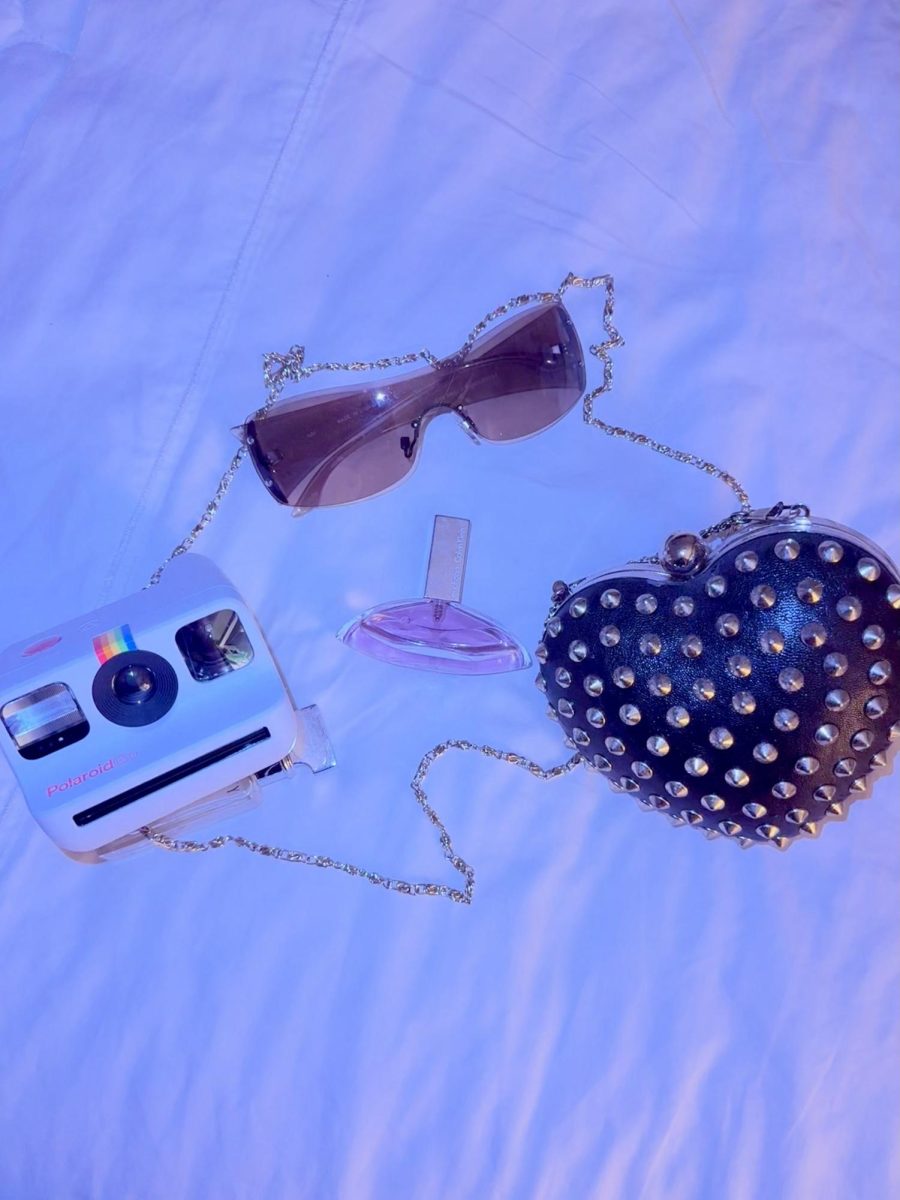
Summer is romanticized as freedom itself: road trips, sunsets, fruity drinks, friendship bracelets, and time in the sun. Every year, platforms online, like TikTok, push versions of “summer glow-up’s” and “that girl summer”, encouraging people to make important memories and better themselves during the time of fun and enjoyment. Even the warm sun heat becomes a part of the story, with sea-salt hair, melted ice-cream, and late-night drives.
At its core, this trend reflects something deeper than cute outfits and Pinterest boards for every season. Romanticizing the seasons helps people feel intentional about their lives, as a way of finding structure and meaning in everyday routines. Assigning a mood to each season can make time feel more exciting, more cinematic, and more in your control. As long as the internet continues shaping our sense of identity, the seasons will remain more than just weather. Because as each season turns over, we’re reminded that life feels a bit sweeter when we let ourselves find something beautiful in each quarter.